








The ongoing conflict between Iran and Israel has created major tensions across the Middle East, with several Gulf countries reportedly unhappy about how the war began. Many regional allies claim they were not consulted before the attack on Iran, raising concerns about the future of U.S. relations in the region.
The war, which escalated after a joint operation by the United States and Israel on February 28, has triggered missile strikes, drone attacks, and diplomatic tensions that could reshape geopolitics in the Middle East.
In this article on unrealblogs, we explain what triggered the war, why Gulf countries are upset, and how the situation could affect global politics and oil markets.
What Started the Iran–Israel War?
The conflict began when the United States and Israel launched coordinated strikes on Iranian targets. These attacks reportedly targeted military sites and leadership positions in Iran, escalating tensions in the region.
Following the strikes, Iran retaliated with missile and drone attacks, targeting areas linked to U.S. military presence and allied countries in the Gulf.
The conflict quickly expanded beyond just two countries, turning into a regional crisis affecting several Middle Eastern nations.
Gulf Countries Say They Were Not Consulted
One of the biggest controversies surrounding the war is that several Gulf allies claim they were not informed beforehand.
Officials from countries such as Saudi Arabia, United Arab Emirates, Qatar, and Kuwait reportedly expressed frustration that they were not warned before the strikes took place.
These countries feared that attacking Iran would trigger retaliation against them because many U.S. military bases are located in the Gulf region.
As predicted, Iran later launched drones and missiles toward targets connected to U.S. allies in the region.
Some officials also said their countries had warned that the conflict could destabilize the entire Middle East.
Growing Criticism of Trump’s Strategy
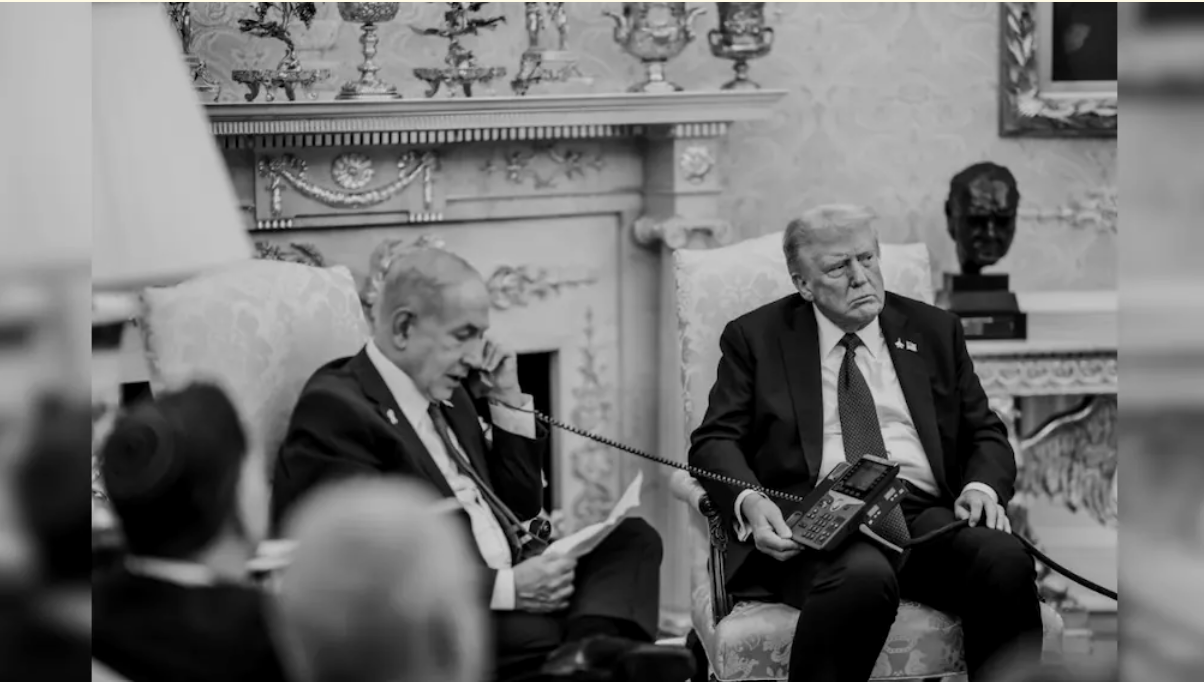
The war has also sparked criticism of Donald Trump and his administration’s strategy.
Political figures and analysts in the Gulf have suggested that the decision to strike Iran may have been rushed and poorly coordinated with regional partners.
Some critics even claim the war was influenced by Israeli leadership, particularly Benjamin Netanyahu, although the U.S. government has denied these claims.
Meanwhile, U.S. officials argue that the military action was necessary to reduce Iran’s military capabilities and protect American interests in the region.
Risk of Wider Middle East Conflict
One of the biggest concerns is that the war could spread across the region.
Several Middle Eastern countries host U.S. military bases or energy infrastructure, making them potential targets during the conflict.
Iran has already fired hundreds of missiles and drones toward Gulf states, increasing fears that the war could expand into a broader regional conflict.
If tensions continue to rise, experts warn that more countries could be drawn into the war.
Impact on Global Oil Supply
Another major concern is the effect on global oil markets.
The Strait of Hormuz, one of the world’s most important oil shipping routes, lies between Iran and the Gulf states.
Around 20% of the world’s oil supply passes through this narrow waterway, meaning any disruption could cause oil prices to surge worldwide.
Iran has previously threatened to block the strait if tensions escalate further.
If that happens, it could have serious economic consequences for many countries.
Diplomatic Calls for Ceasefire
Despite the escalating tensions, some Middle Eastern leaders have called for restraint and diplomacy.
Several regional governments believe that continued conflict will only destabilize the region and damage economic growth.
Diplomatic efforts are now being discussed to prevent the war from spreading further.
However, negotiations remain difficult because both sides accuse each other of escalating the conflict.
What Happens Next?
The future of the Iran–Israel conflict remains uncertain.
If Gulf countries continue to feel excluded from decision-making, it could weaken the alliance between the United States and its regional partners.
At the same time, Iran’s retaliatory actions have increased fears of further escalation.
Experts say the coming weeks will be critical in determining whether the war expands or moves toward a diplomatic resolution.
Conclusion
The Iran–Israel war has quickly evolved into one of the most serious geopolitical crises in recent years. With Gulf allies expressing frustration over not being consulted and Iran launching retaliatory attacks, tensions across the Middle East are rising rapidly.
The situation remains fluid, and the decisions made by the United States, Israel, and regional powers could shape the future of the Middle East for years to come.
For more global news and analysis like this, keep visiting unrealblogs.