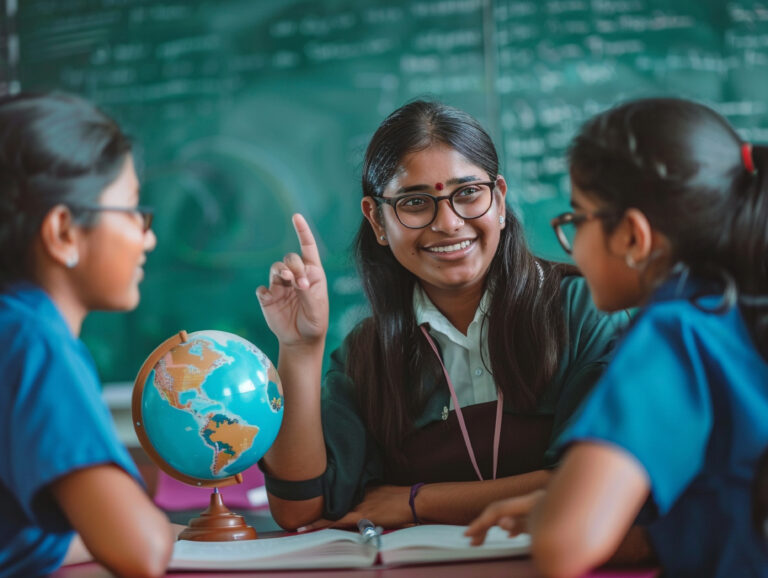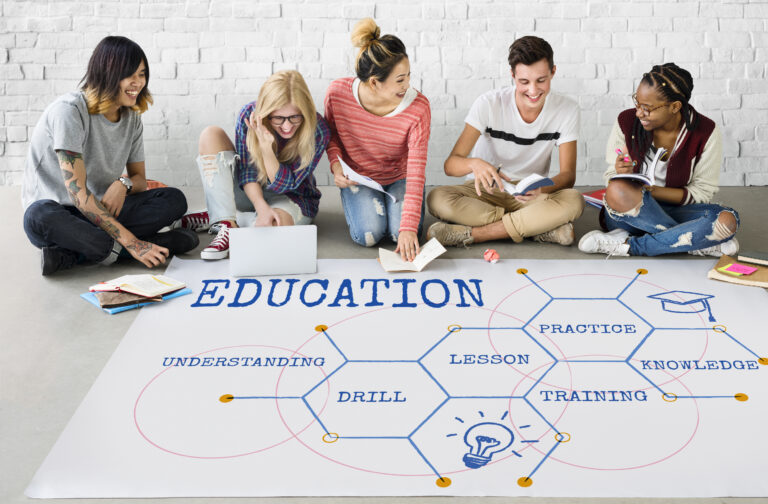












Education in India has long been regarded as the backbone of national development. From ancient universities like Nalanda and Takshashila to modern institutions such as IITs, IIMs, and AIIMS, India has a rich legacy of learning and innovation. In today’s rapidly changing world, education is not just a social necessity but a strategic investment that shapes the country’s economic growth, social equity, and global competitiveness. The importance of education has never been more evident as India moves toward becoming a knowledge-driven economy.
India’s Evolving Education Landscape
India’s education system is one of the largest in the world, serving millions of students across urban and rural regions. Over the past few decades, the government and private sector have significantly expanded access to schools, colleges, and universities. Initiatives like the Right to Education (RTE) Act, National Education Policy (NEP) 2020, and digital learning platforms have transformed how students learn and how teachers teach.
The National Education Policy 2020 introduced a holistic and flexible approach, focusing on critical thinking, skill development, and multidisciplinary learning. It aims to bridge the gap between academic knowledge and real-world skills, preparing students for future careers in technology, healthcare, business, and creative industries.
The Importance of Education in Nation-Building
The importance of education goes beyond textbooks and classrooms. Education empowers individuals with knowledge, skills, and values that help them make informed decisions. It reduces poverty, improves health outcomes, and fosters social harmony. An educated population contributes to innovation, entrepreneurship, and democratic participation.
In India, education has played a crucial role in uplifting marginalized communities and promoting gender equality. Scholarships, reservation policies, and digital learning tools have helped bridge educational gaps, although challenges like dropout rates, teacher shortages, and infrastructure issues still persist.
Digital Transformation in Indian Education
The rise of digital technology has reshaped the Indian education ecosystem. Online learning platforms, virtual classrooms, and AI-based learning tools have expanded access to quality education, especially in remote areas. During the COVID-19 pandemic, digital education became a lifeline for millions of students.
Startups and edtech companies have introduced personalized learning, interactive content, and skill-based courses. Government platforms like DIKSHA, SWAYAM, and PM eVidya have further strengthened digital learning infrastructure. As technology continues to evolve, hybrid learning models are expected to become the norm.
Challenges Facing Education in India
Despite progress, India’s education system faces several challenges. Quality of education varies significantly between urban and rural regions. Many government schools struggle with inadequate facilities, outdated curricula, and lack of trained teachers. Higher education institutions often face issues related to research funding, global rankings, and industry collaboration.
Another key concern is employability. While India produces millions of graduates each year, a significant number lack industry-relevant skills. Bridging the gap between education and employment requires curriculum reforms, vocational training, and stronger partnerships with industry.
Role of Private Sector and Media in Education Awareness
Private institutions, training organizations, and educational media platforms play a crucial role in promoting awareness about learning opportunities. Platforms like unrealblogs highlight education trends, policy updates, career guidance, and skill development insights, helping students and professionals make informed decisions.
Educational content platforms have become an important source of information, especially for parents and learners seeking clarity on courses, institutions, and career paths. With the increasing demand for lifelong learning, such platforms contribute to building an informed and skilled society.
Future of Education in India
India’s education sector is poised for significant growth. With a young population and increasing focus on skill development, India has the potential to become a global education hub. International collaborations, online degrees, and micro-credential programs are gaining popularity.
Artificial intelligence, virtual reality, and data-driven learning are expected to revolutionize teaching methods. Emphasis on entrepreneurship, innovation, and research will further strengthen India’s position in the global knowledge economy.
Frequently Asked Questions (F&Q)
Q1. Why is education important for India’s development?
Education is crucial for economic growth, social progress, and innovation. It helps create skilled professionals, reduces poverty, and promotes equality, highlighting the importance of education in national development.
Q2. What is the National Education Policy 2020?
The National Education Policy 2020 is a comprehensive framework introduced by the Indian government to reform the education system. It focuses on holistic learning, flexibility, skill development, and digital education.
Q3. How is digital learning changing education in India?
Digital learning provides access to quality education through online platforms, virtual classrooms, and AI-driven tools. It helps students in remote areas and supports personalized learning experiences.
Q4. What are the major challenges in Indian education?
Key challenges include unequal access to quality education, outdated infrastructure, lack of trained teachers, and a gap between academic learning and industry skills.
Q5. How can students improve their career prospects through education?
Students can enhance career prospects by choosing relevant courses, developing practical skills, participating in internships, and staying updated with industry trends through platforms like unrealblogs.
Conclusion
Education remains the cornerstone of India’s progress and global competitiveness. The importance of education cannot be overstated, as it shapes individuals, communities, and the nation’s future. While India has made remarkable progress in expanding access and embracing digital learning, continuous reforms and investments are essential to ensure quality and inclusivity.
With government initiatives, private sector participation, and informative platforms like unrealblogs, India is steadily moving toward a more robust, innovative, and inclusive education ecosystem. As the country invests in knowledge and skills, education will continue to drive India’s journey toward sustainable development and global leadership.