




Education is one of the most powerful tools that can transform lives. It not only provides knowledge but also builds confidence, improves skills, and opens doors to better opportunities. In today’s fast-changing world, education plays a crucial role in personal growth, career success, and social development.
Whether formal or informal, education helps individuals think critically, solve problems, and make informed decisions. It is not just about earning degrees — it is about gaining the ability to understand the world and contribute positively to it.
Why Education Matters
Education is the foundation of a strong society. It empowers individuals with knowledge and skills that help them become independent and self-reliant. A well-educated person is more likely to secure better job opportunities, earn a stable income, and improve their quality of life.
Moreover, education promotes equality. It reduces poverty, improves health awareness, and encourages responsible citizenship. When people are educated, they are more aware of their rights and responsibilities, which leads to a more balanced and progressive society.
Education and Career Opportunities
In today’s competitive job market, education has become more important than ever. Employers look for candidates who not only have academic qualifications but also possess critical thinking, communication, and problem-solving skills.
Higher education and skill-based learning increase employability. Fields like technology, healthcare, business, and digital marketing require continuous learning and upskilling. Education gives individuals the confidence to adapt to new trends and stay relevant in their careers.
However, success does not only depend on formal degrees. Online courses, certifications, and practical experience also play a major role in building a strong professional profile.
The Role of Digital Learning
With the growth of the internet, digital learning has revolutionized education. Students can now access online courses, video lectures, and educational resources from anywhere in the world.
Online education platforms make learning flexible and affordable. People can learn new skills while working full-time jobs. This has made education more accessible to individuals who may not have had the opportunity to attend traditional institutions.
Digital learning also encourages self-discipline and time management, which are essential skills for long-term success.
Education Beyond Academics
Education is not limited to textbooks and classrooms. It also includes life skills such as communication, emotional intelligence, leadership, and teamwork.
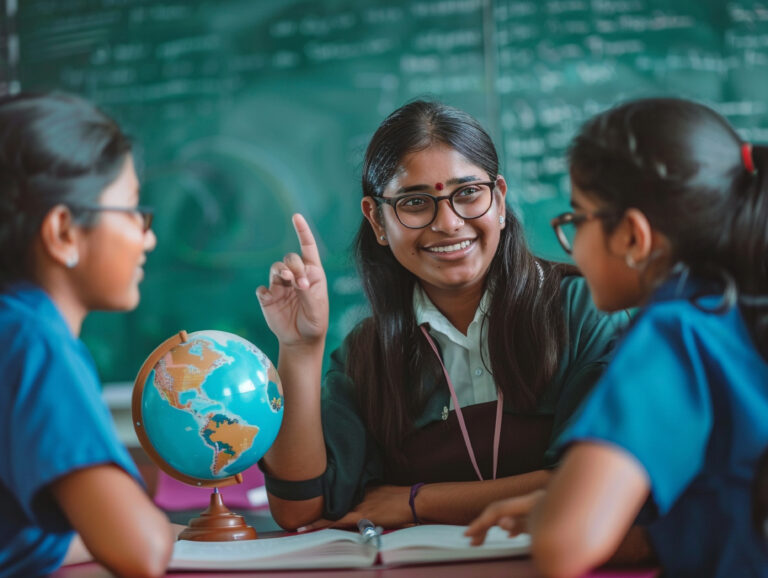
Schools and colleges help students develop confidence and social skills. Participating in extracurricular activities like debates, sports, and cultural events enhances personality development.
True education prepares individuals not just for exams, but for real-life challenges. It teaches values such as honesty, discipline, and respect, which are essential for building strong relationships and a positive mindset.
Challenges in Modern Education
Despite its importance, education still faces many challenges. High tuition fees, lack of resources in rural areas, and unequal access to quality education are major concerns in many countries.
Additionally, the pressure to score high marks sometimes overshadows the importance of practical learning. Students often focus more on memorization rather than understanding concepts deeply.
To improve the system, there must be a balance between theoretical knowledge and practical application. Education systems should focus on skill development, creativity, and innovation.
Frequently Asked Questions (FAQs)
1. Why is education important for personal growth?
Education helps individuals develop critical thinking, communication skills, and confidence. It enables people to make better life decisions and adapt to changing circumstances.
2. Is online education as effective as traditional education?
Yes, online education can be highly effective if the learner is disciplined and committed. It offers flexibility and access to a wide range of courses from global institutions.
3. How does education reduce poverty?
Education improves job opportunities and earning potential. Skilled and educated individuals are more likely to secure stable employment and financial independence.
4. What skills are most important in modern education?
Apart from academic knowledge, skills such as problem-solving, communication, digital literacy, and adaptability are extremely important.
5. Can someone succeed without formal education?
While formal education increases opportunities, success also depends on skills, experience, dedication, and continuous learning.
Conclusion
Education is more than just a pathway to employment — it is a lifelong journey of growth and self-improvement. It empowers individuals to dream bigger, think smarter, and achieve their goals.
In a world that is constantly evolving, learning should never stop. Whether through schools, universities, online platforms, or real-life experiences, education remains the key to unlocking opportunities and building a better future.
Investing in education is investing in yourself. The more you learn, the more you grow — and the stronger your foundation for success becomes.