






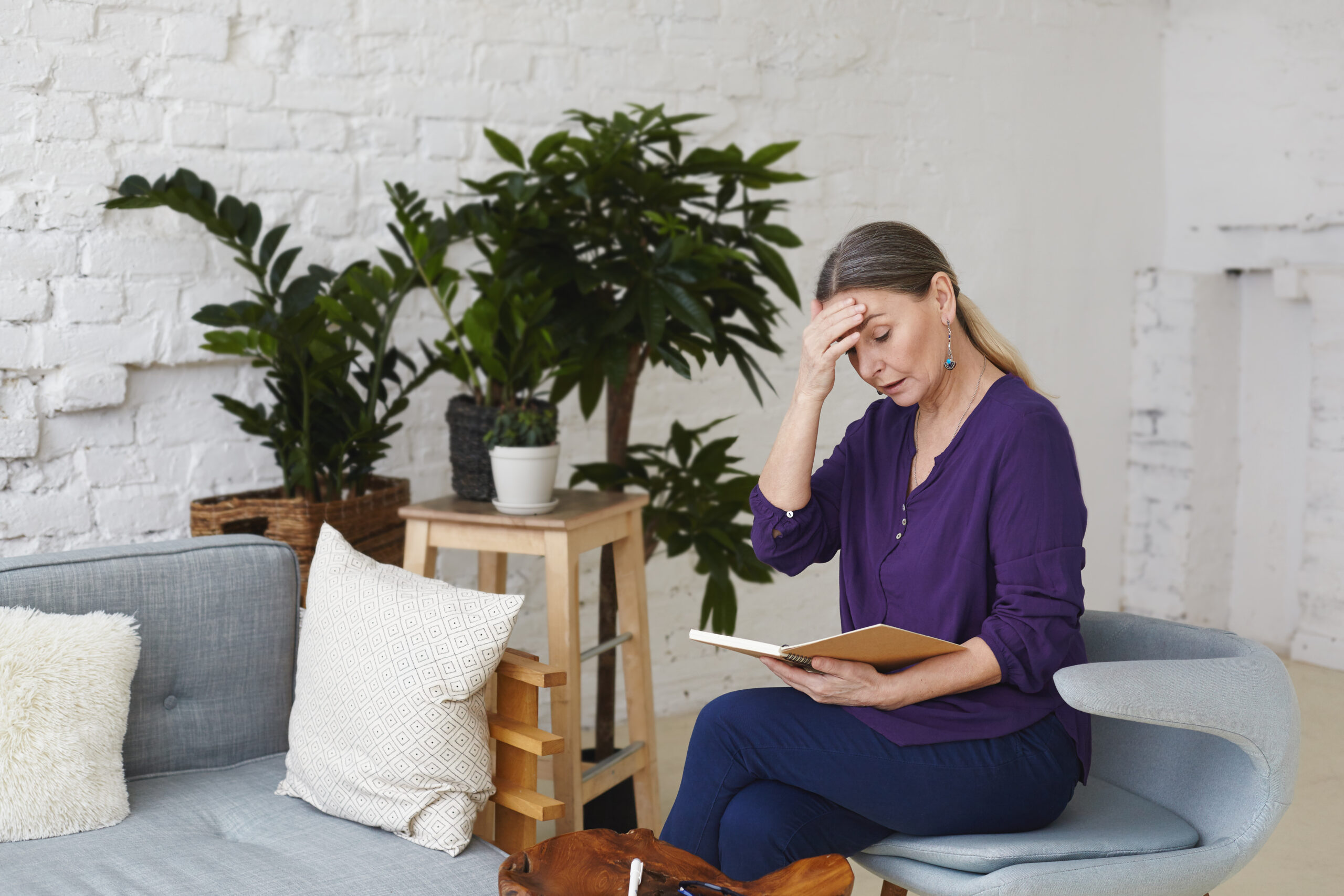
Stress and anxiety have become a normal part of modern life. From work pressure to financial worries, social media overload to health concerns, our minds rarely get a break. But here’s the truth: your mental health matters just as much as your physical health.
When ignored, stress can affect sleep, immunity, digestion, and even long-term wellness. In fact, chronic stress can show up as physical symptoms and sometimes even mimic early warning signs of disease. That’s why taking care of your mental well-being is not optional—it’s essential.
In this guide from unrealblogs, you’ll find simple, practical, and realistic mental health tips that you can start using today.
Why Mental Health Is So Important
The Healthy lifestyle importance goes beyond eating well and exercising. A healthy lifestyle includes emotional balance, stress management, and mental clarity.
When your mental health is strong:
- You think clearly.
- You handle problems better.
- You build healthier relationships.
- Your body functions more efficiently.
On the other hand, unmanaged anxiety can weaken your immune system, disturb sleep, and increase inflammation in the body. That’s why focusing on both mind and body is key.
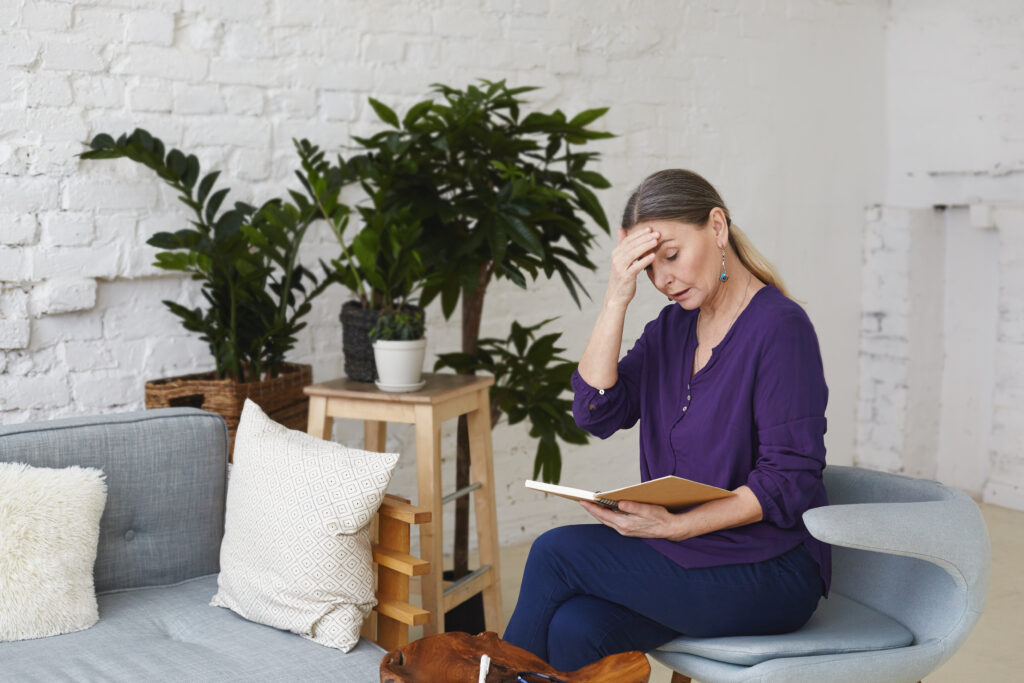
Common Signs of Stress and Anxiety
Before fixing a problem, you need to recognize it. Many people ignore subtle symptoms until they become serious.
Here are some early signs:
- Constant worrying
- Trouble sleeping
- Headaches or muscle tension
- Irritability
- Fatigue even after rest
- Digestive problems
- Lack of concentration
Sometimes these symptoms are mistaken for early warning signs of disease. If symptoms persist, always consult a doctor. But in many cases, stress management can significantly improve them.
Simple Daily Healthy Habits to Reduce Stress
You don’t need a big life change. Small daily healthy habits can make a huge difference.
1. Start Your Day Without Your Phone
Avoid checking emails or social media first thing in the morning. Give your brain 20–30 minutes of calm time.
Try:
- Deep breathing
- Light stretching
- Drinking warm water
- Sitting quietly
This sets a peaceful tone for your day.
2. Practice the 5-Minute Breathing Rule
When anxiety hits, pause.
- Inhale for 4 seconds
- Hold for 4 seconds
- Exhale for 6 seconds
Repeat for 5 minutes. This simple method slows your heart rate and relaxes your nervous system.
3. Move Your Body Daily
Exercise doesn’t have to mean intense workouts.
- 30-minute walk
- Yoga
- Dancing
- Light home workouts
Physical movement releases endorphins, which are natural mood boosters.
The Role of Food in Mental Health
What you eat directly affects your brain. Many people overlook the connection between nutrition and emotional well-being.
Immunity Boosting Foods That Also Reduce Stress
Certain immunity boosting foods support both physical and mental health:
- Leafy greens (spinach, kale)
- Nuts and seeds
- Berries
- Yogurt
- Turmeric
- Green tea
These foods reduce inflammation and support brain function. A balanced diet improves mood stability and energy levels.
Improve Sleep to Calm Anxiety
Poor sleep increases stress hormones. Good sleep reduces anxiety naturally.
Here’s how to improve sleep quality:
- Go to bed at the same time daily
- Avoid screens 1 hour before sleep
- Keep your room dark and cool
- Avoid caffeine after 4 PM
Sleep is one of the most powerful mental health tips that costs nothing but gives huge benefits.
Limit Information Overload
Too much news and social media can overwhelm your mind.
Try this:
- Set fixed times for checking news
- Unfollow negative accounts
- Avoid doom-scrolling at night
Protecting your mental space is part of daily healthy habits.
Talk About Your Feelings
Keeping emotions inside increases anxiety. Share your thoughts with:
- A trusted friend
- A family member
- A counselor
Seeking help is strength, not weakness.
Financial Stress and Peace of Mind
Money worries are one of the biggest anxiety triggers. While we cannot control everything, planning helps.
A proper Health insurance guide can reduce stress about unexpected medical expenses. When you feel financially protected, your anxiety about health risks decreases significantly.
Preparing today prevents panic tomorrow.
Build a Simple Stress-Relief Routine
Here’s a simple routine you can follow:
Morning:
- Stretch for 5 minutes
- Drink water
- Avoid phone for 30 minutes
Afternoon:
- 10-minute walk
- Healthy lunch
- Deep breathing
Evening:
- Light dinner
- Gratitude journaling
- Screen-free bedtime
Consistency matters more than perfection.
When to Seek Professional Help
While lifestyle changes work for mild stress, professional support is important if:
- Anxiety affects daily life
- Panic attacks occur frequently
- You feel hopeless
- Sleep problems last more than 2 weeks
Mental health professionals are trained to help. Never ignore severe symptoms thinking they will disappear on their own.
At unrealblogs, we always encourage balance—self-care combined with expert advice when needed.
FAQ Section
1. What are the best mental health tips for beginners?
Start with simple steps like regular sleep, daily walking, deep breathing, and reducing screen time. Small daily habits create long-term stability.
2. Can stress cause physical health problems?
Yes. Chronic stress can weaken immunity, disturb digestion, and sometimes appear like early warning signs of disease. Managing stress improves overall health.
3. How does food affect anxiety?
Nutritious and immunity boosting foods reduce inflammation and support brain function, helping stabilize mood and energy.
4. How long does it take to reduce anxiety naturally?
With consistent daily healthy habits, many people notice improvement within a few weeks. Severe anxiety may require professional support.
5. Why is mental health part of a healthy lifestyle?
The Healthy lifestyle importance includes emotional well-being. Without mental balance, physical health alone is incomplete.
Conclusion: Your Mind Deserves Care
Mental health is not a luxury. It is a necessity.
Simple steps like mindful breathing, balanced eating, regular sleep, and emotional support can significantly reduce stress and anxiety. The key is consistency. You don’t need dramatic changes—just steady effort.
Remember, prevention is better than cure. Recognizing stress early prevents it from turning into serious health problems. Protect your peace, nourish your body, and prioritize your well-being.
At unrealblogs, we believe that true wellness means caring for both mind and body. Start today. Your future self will thank you.